




What Is Ecommerce? A Beginner’s Guide to Online Business
Ecommerce, the online marketplace, has become an integral part of our lives. This guide aims to provide a comprehensive understanding of ecommerce, its components, and how it continues to shape the global economy.
Introduction to Ecommerce
The Rise of Digital Commerce
Ecommerce has transformed the way we shop and conduct business. With the advent of the internet, buying and selling goods and services online has become commonplace, offering convenience and a wealth of options to consumers worldwide.
Find Your Dream Ecommerce Supplier Here
Defining Ecommerce
At its essence, ecommerce involves transactions conducted online, from purchasing products to digital payments and everything in between. It’s a broad term that encompasses various forms of trade on the internet.
The Ecommerce Ecosystem

Types of Ecommerce Models
Ecommerce operates through different models, including B2C (business-to-consumer), B2B (business-to-business), C2C (consumer-to-consumer), and more. Each model caters to specific needs and market segments.
Key Components of an Ecommerce Business
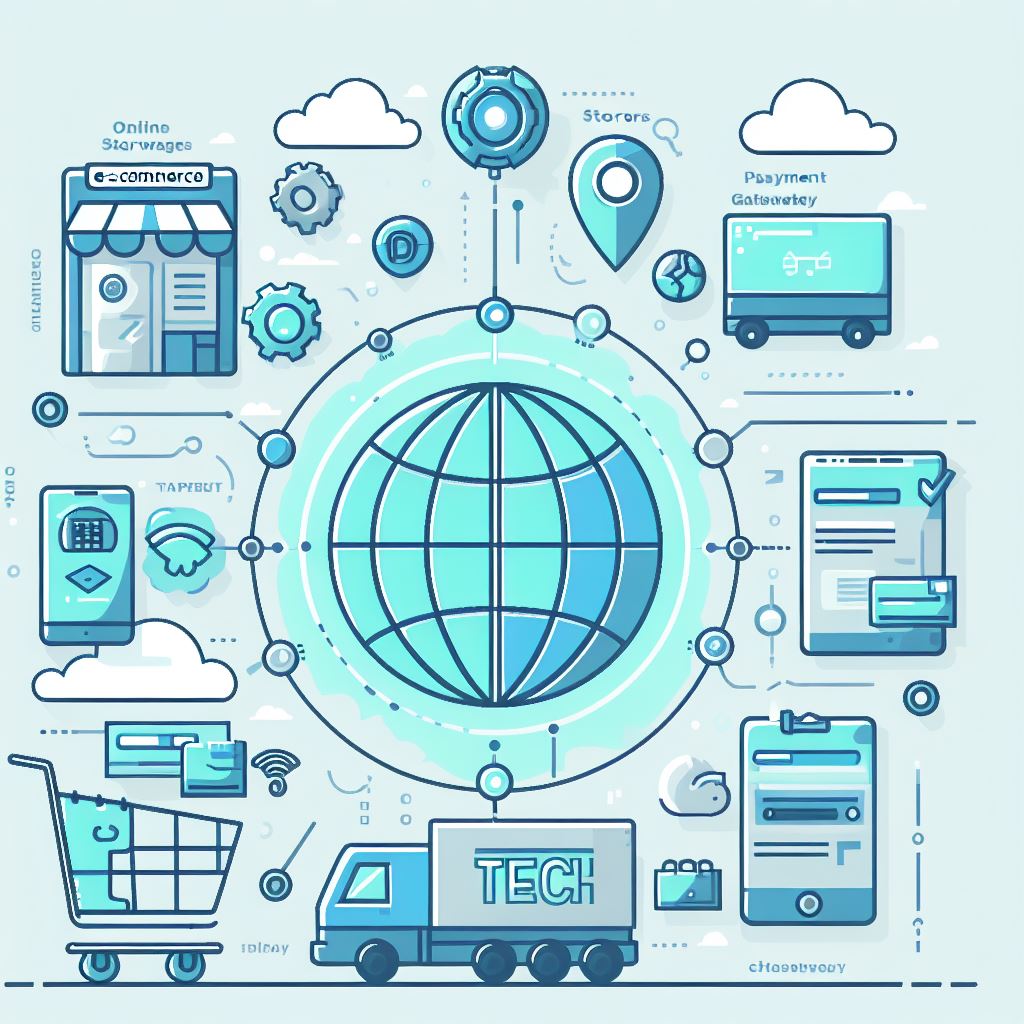
An ecommerce business is built on several pillars: a user-friendly website, a secure payment gateway, a reliable logistics system, and customer service. These elements work together to create a seamless shopping experience.

Building an Ecommerce Platform
Choosing the Right Platform
Selecting an ecommerce platform is a critical decision for any online business. Options like Shopify, Magento, and WooCommerce offer different features and tools to build and manage an online store effectively.
Designing for the User
A well-designed ecommerce site prioritizes user experience (UX), ensuring easy navigation, quick load times, and a straightforward checkout process. A positive UX can significantly impact sales and customer retention.

Driving Traffic and Sales
The Role of SEO in Ecommerce
Search Engine Optimization (SEO) is vital for increasing an ecommerce site’s visibility. By optimizing for search engines, businesses can attract more traffic and convert visitors into customers.
Content Marketing and Social Media
Content marketing and social media are powerful channels for promoting ecommerce businesses. Engaging content and active social media presence can drive traffic and foster a community around the brand.
Analyzing Ecommerce Performance

Ecommerce Analytics
Understanding customer behavior and tracking performance metrics are essential for ecommerce success. Tools like Google Analytics provide insights that help businesses make informed decisions.
Expert Insights on Ecommerce Trends
Experts like Karl Lillrud and Pooja Agarwal offer valuable perspectives on ecommerce strategies and consumer behavior. Following thought leaders can keep businesses ahead of emerging trends.
The Future of Ecommerce
Emerging Technologies
Technological advancements like AI, AR, and voice shopping are shaping the future of ecommerce. Staying updated with these trends is crucial for businesses to remain competitive.
Sustainable Ecommerce Practices
Sustainability is becoming increasingly important in ecommerce. Businesses are adopting eco-friendly practices and aligning with the UN’s Sustainable Development Goals to meet consumer expectations.
Legal and Ethical Considerations

Data Privacy and Security
With the rise of ecommerce, data privacy and security have become paramount. Adhering to regulations like GDPR and implementing robust security measures is essential for building trust.
Ethical Ecommerce
Ethical considerations, such as fair labor practices and responsible sourcing, are critical for building a reputable ecommerce brand. Consumers are more likely to support businesses that align with their values.
Ecommerce in the Global Economy
Ecommerce Statistics
Ecommerce has seen exponential growth, with sales reaching new heights each year. Government resources like the U.S. Census Bureau provide detailed ecommerce statistics that highlight this growth.
Impact on Traditional Retail
The rise of ecommerce has significantly impacted traditional retail. While some brick-and-mortar stores struggle, others have adapted by integrating online and offline experiences.
Conclusion: The Ecommerce Revolution
Ecommerce is not just a trend; it’s a revolution that has changed the landscape of retail and will continue to evolve. By understanding its fundamentals and staying abreast of changes, businesses can thrive in the ecommerce space.
Key Takeaways:
- Ecommerce encompasses a variety of online transactions and business models.
- A successful ecommerce business relies on a strong platform, effective SEO, and excellent user experience.
- Analytics and expert insights are invaluable for understanding ecommerce trends and performance.
- Technological advancements and ethical practices will shape the future of ecommerce.

 Remote Jobs Hiring immediately
Leave a comment